Our story
A story shaped at sea.
From trade to vessel construction, from field experience to a shared vision. Moments from Abdülkadir Sırma’s journey.
2013–2016
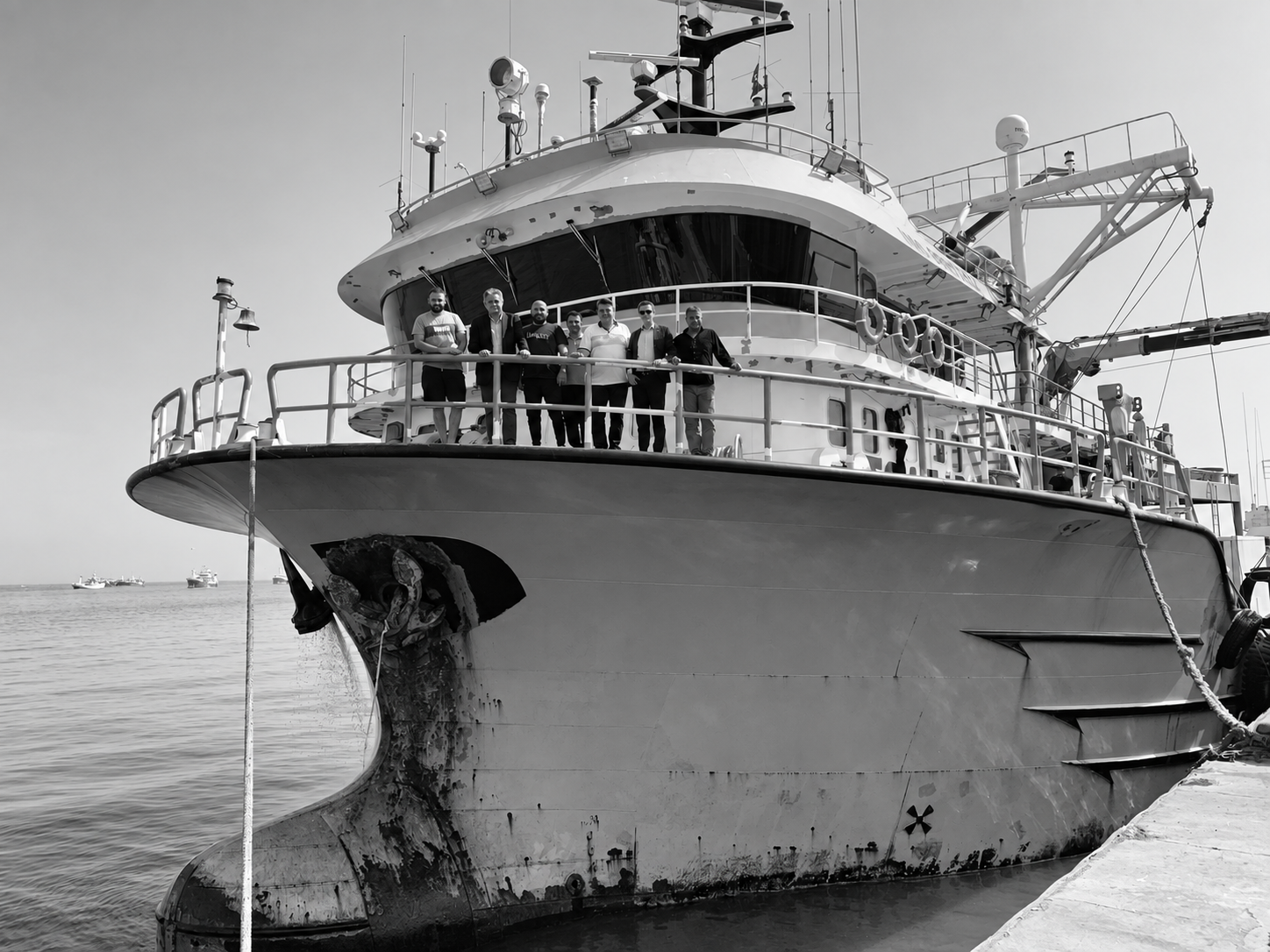
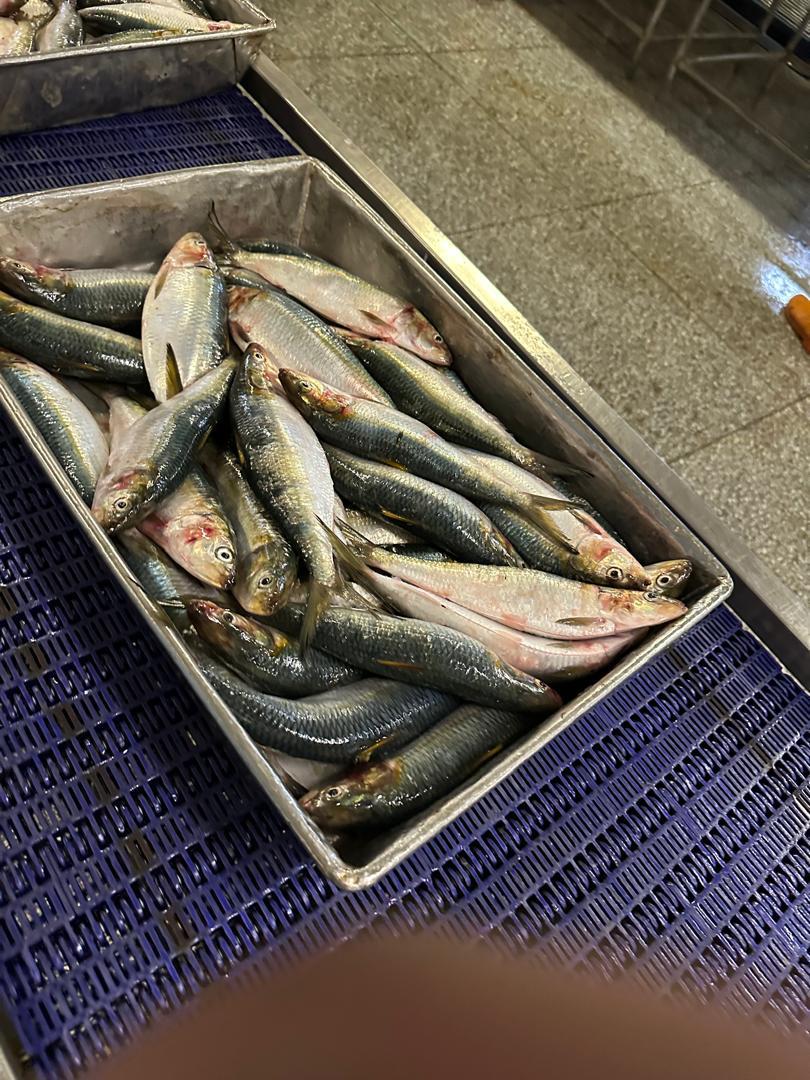
Learning the product. Then the route.
The journey began with fresh fish trade and air freight in Morocco and Western Sahara, then extended to frozen seafood trade in Mauritania. The move into vessel operations in 2016 added the responsibility of production at sea.
2018–2024 · ASLIŞAH + NESLİŞAH 1
From Field Experience to Our Own Fleet
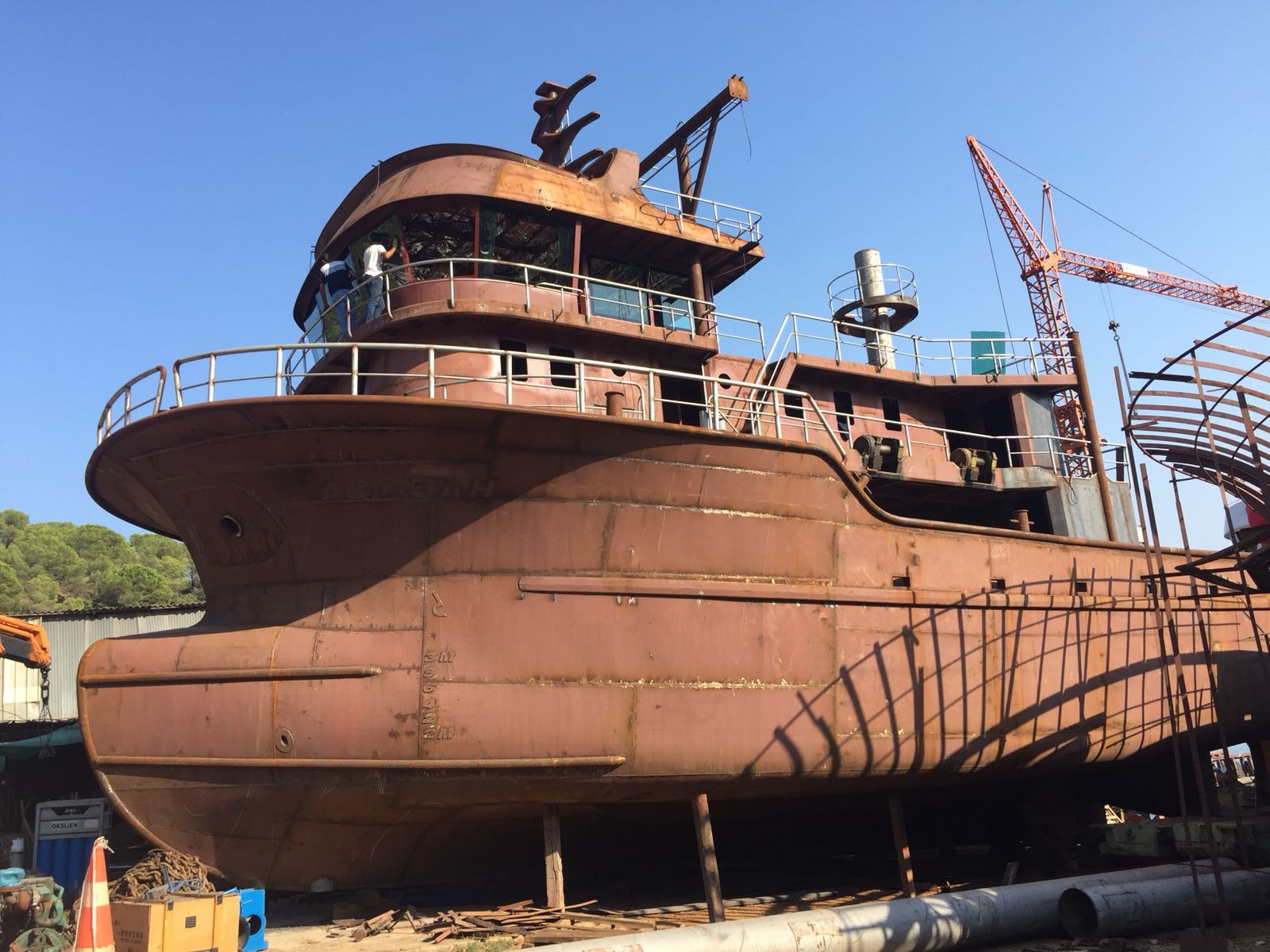
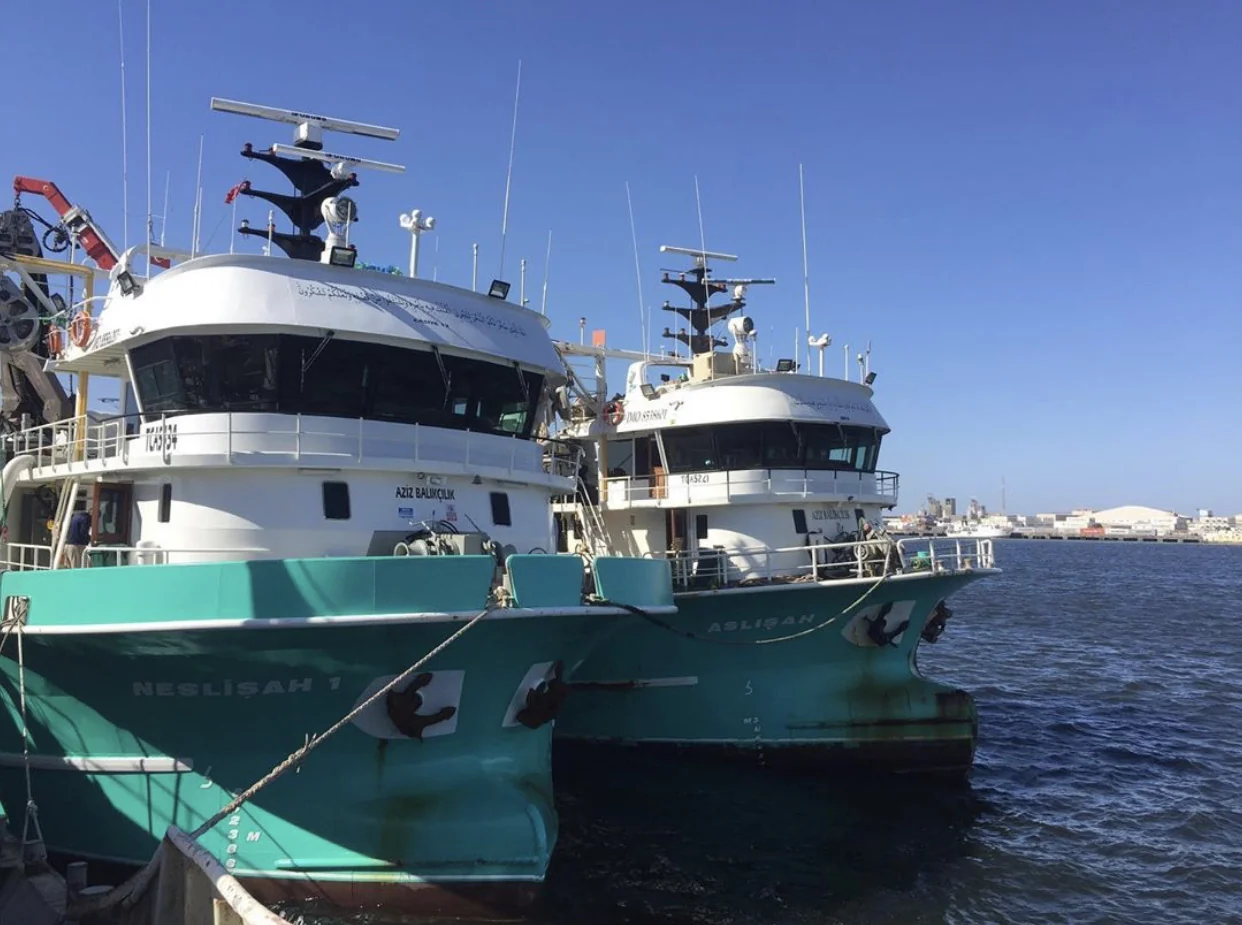
Years of operating experience in West Africa became an investment in an owned fleet in 2018. In early 2018, Aziz Balıkçılık ve Deniz Taşımacılığı Ltd. Şti. signed contracts with Çınar Shipyard for two sister purse seiners: ASLIŞAH and NESLİŞAH 1.
The vessels were designed around real operating conditions and fishing regulations in Mauritania. Main engine power, gross tonnage (GT), vessel length and fishing grounds were determined accordingly. Launched in early 2019, the ships marked the transition from charter operator to owner-operator commissioning its own assets.
- Early 2018
Contracts signed
Çınar Shipyard · Two sister purse seiners
- Early 2019
Launch
ASLIŞAH + NESLİŞAH 1
- 2019–2024
Mauritania operations
Owned fleet · Licensed operations · Shore processing
Early 2018 and early 2019 follow the founder’s account.
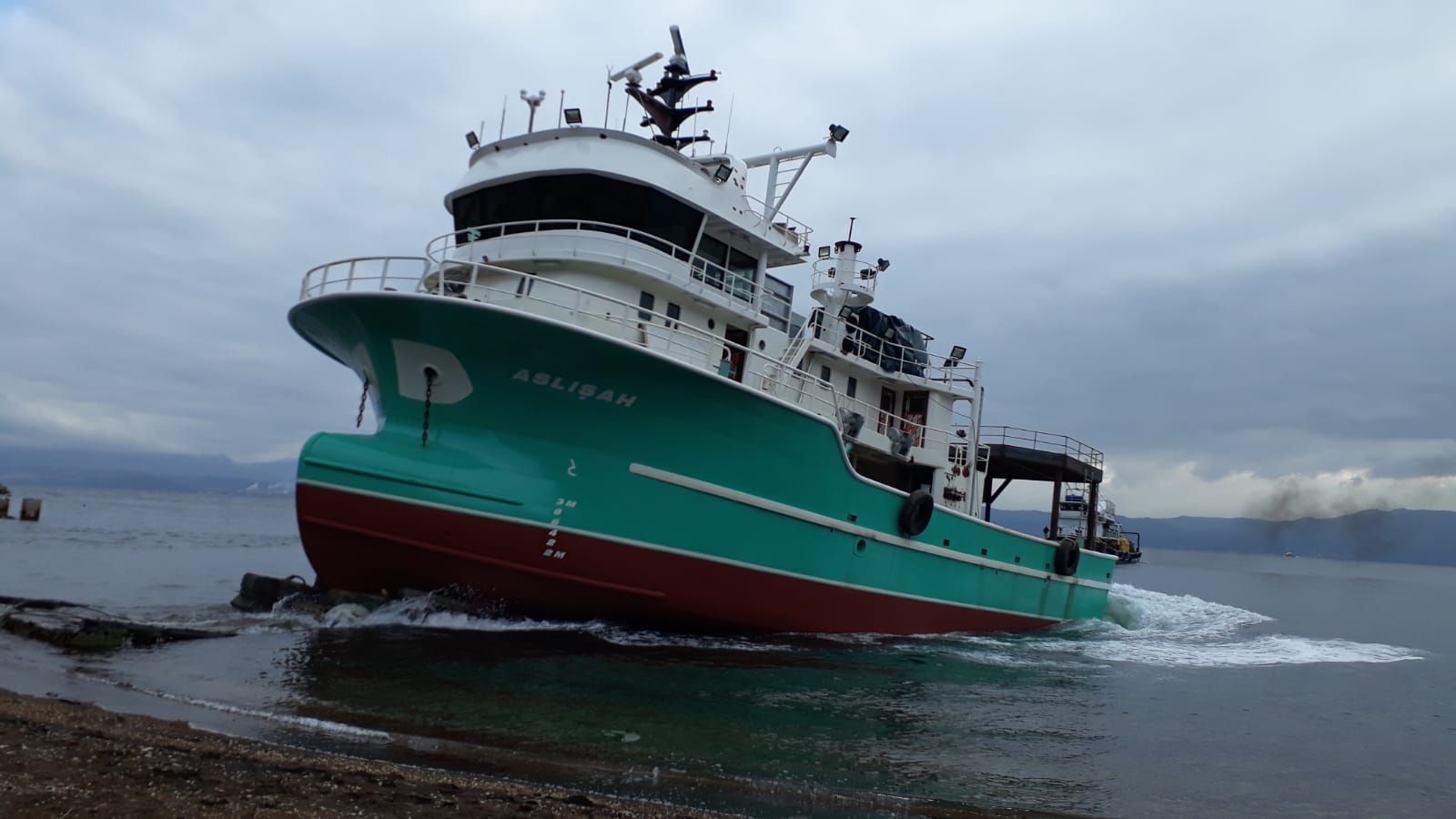
An operating model built for Mauritania.
- Active operations in Mauritania
- 2019–2024
- Fish quota per vessel
- 30,000 tonnes
- Shore delivery per vessel, per trip
- ≈ 300 tonnes
ASLIŞAH and NESLİŞAH 1 operated in Mauritania during 2019–2024 as assets owned by Aziz Balıkçılık. Each vessel worked under a 30,000-tonne fish quota. The operating structure complied with Mauritanian regulations and encompassed licences for frozen fish, fishmeal and fish oil.
The vessels were also designed to supply raw material regularly to shore-based processing plants. Each had the operational capacity to carry approximately 300 tonnes of fish to coastal factories in a single trip.
The chain from catch to factory.
- Catch
- Onboard preservation
- Approx. 300-tonne shore delivery
- Processing plant
- Frozen products / Fishmeal / Fish oil
The sister ships became a vital logistics link between fishing grounds at sea and industrial processing ashore. The 2019–2024 seasons built practical knowledge of licensing, quota management, marine logistics, raw-material flows and shore-processing integration.
Built in Türkiye · Fishing-vessel craftsmanship
Çınar Shipyard
With roots in Rumelikavağı in the 1960s, Çınar is a family shipyard specializing in fishing vessels. That building tradition helped connect experience gained in Africa with vessels designed for those operations.
Shipyard sources
A 2010 Boat Builder Türkiye feature describes Çınar as an early Turkish steel fishing-vessel builder, reporting over 220 vessel references ranging from 10 to 95 metres at the time. Boat Builder Türkiye · 2010
The Gemlik Regional Port Authority directory lists Çınar as active under producer code CTS. Gemlik · CTS
Working together
Experience grows through exchange.
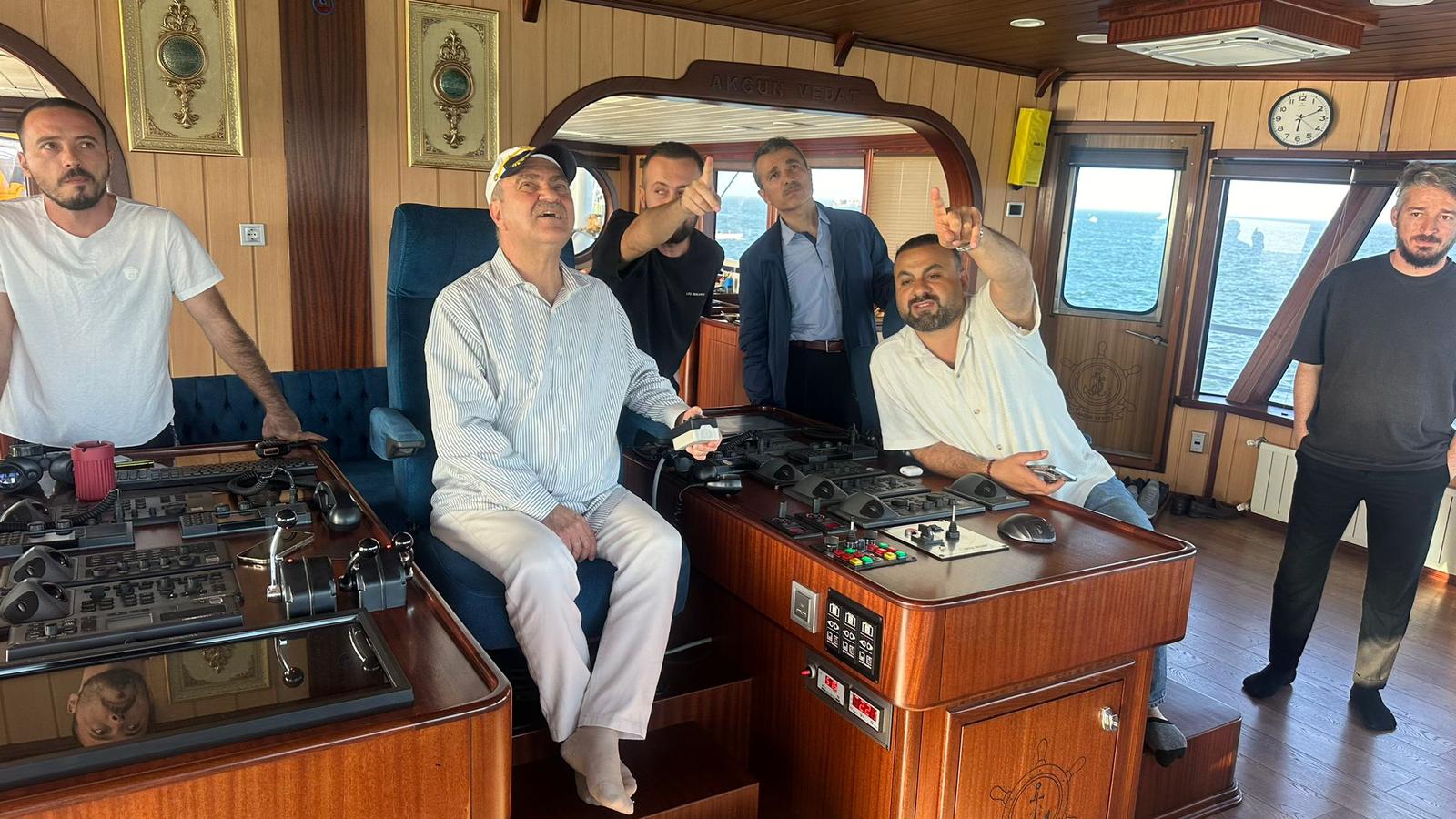
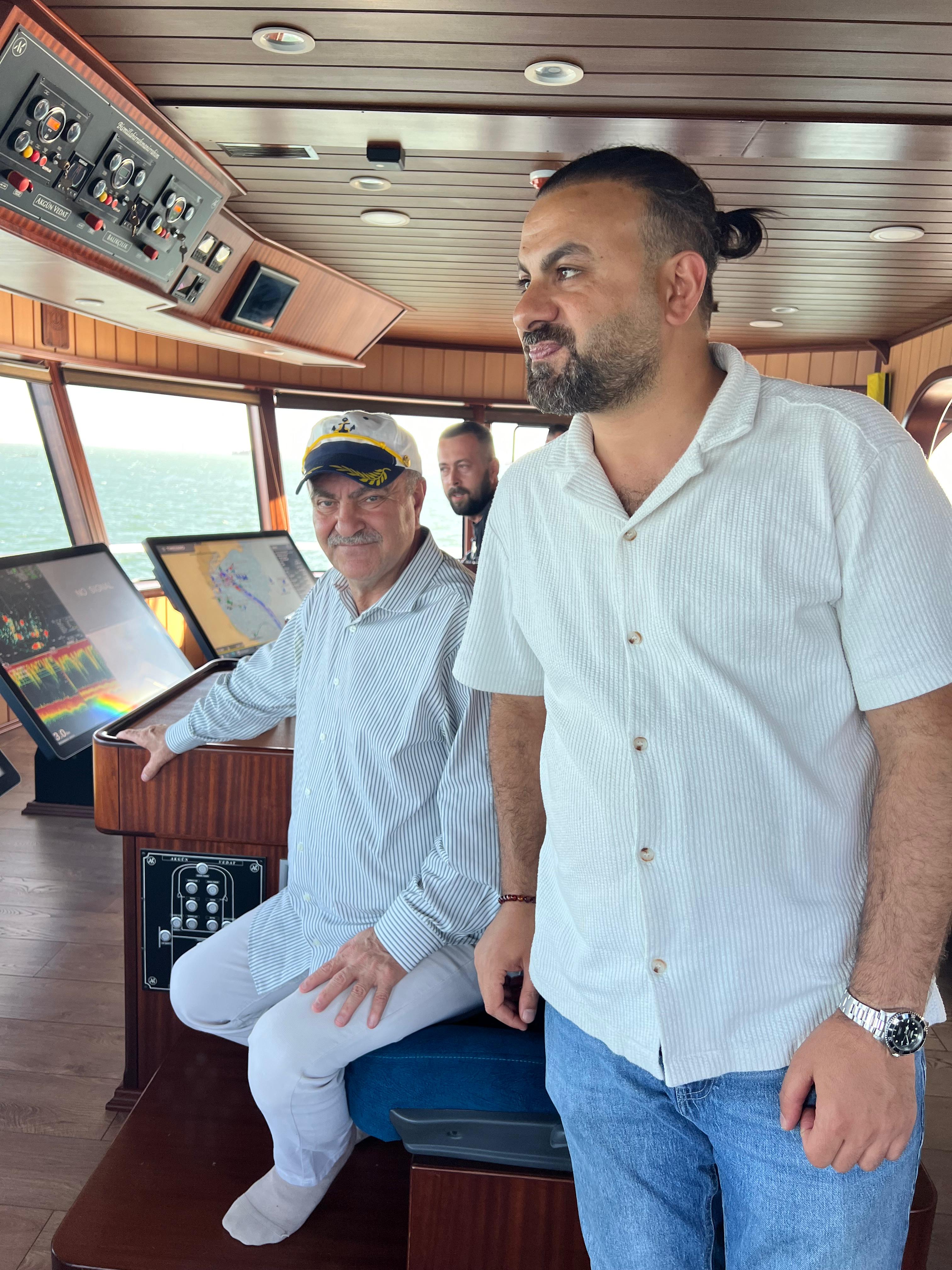
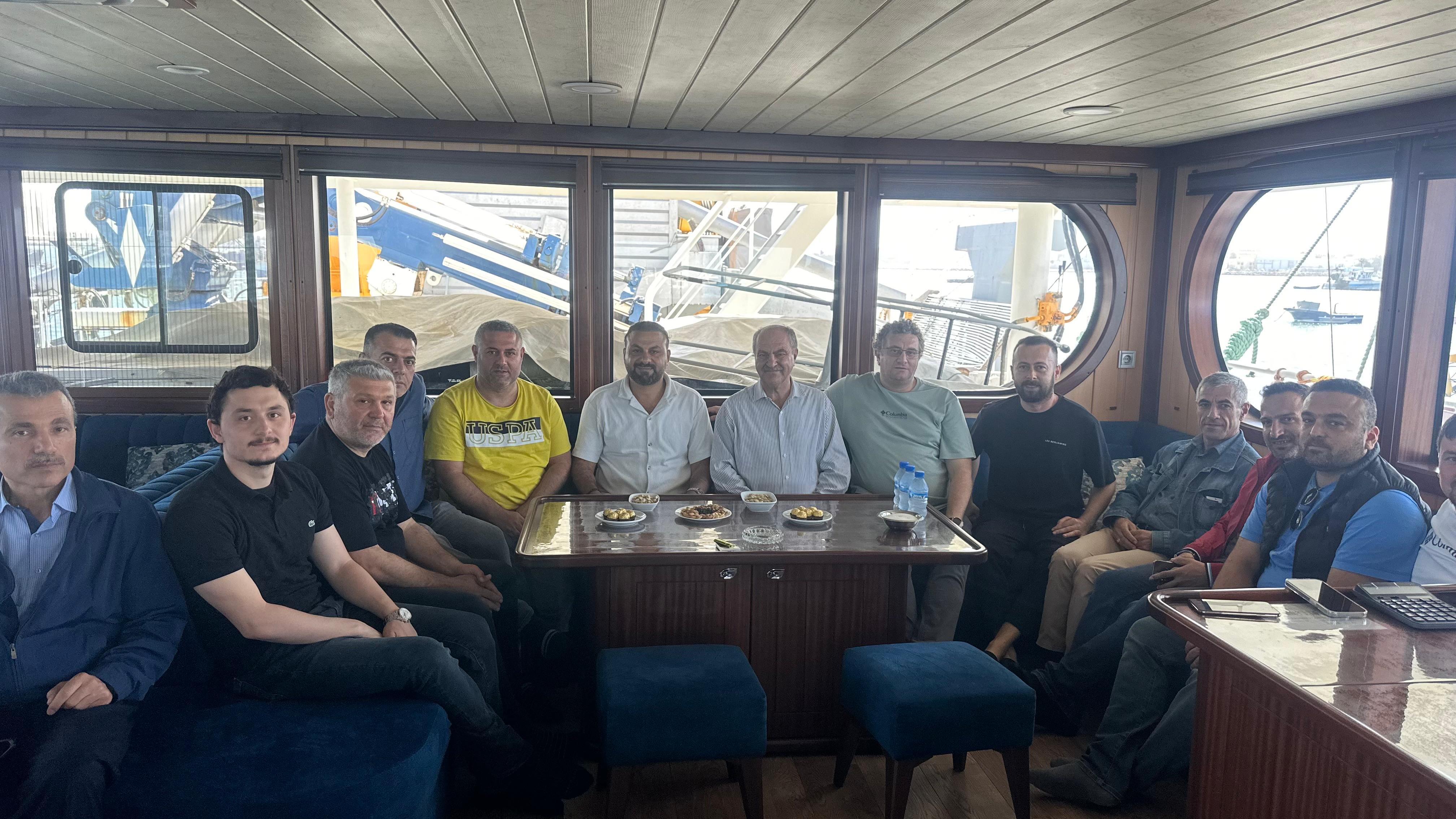
From conversations on the bridge to inspections in the engine room, maritime work brings different skills aboard the same vessel. These photographs show the people and attention to detail behind that work.
The model in development
The story continues today.
Frigate Atlantic represents the next stage of this experience. The earlier model connected and managed catch, marine logistics and shore processing. Today’s ambition is to develop that model into an integrated production and trading platform.
- Catch
- RSW receiving
- Processing
- Freezing
- Cold storage
- Fishmeal and fish oil
- STS / reefer logistics
- International sales
We learned in the field.We built our own fleet.We operated for years in Mauritania.Now we are bringing the value chain into one platform.